Uncategorized

Uncategorized

Closing meeting in Bari

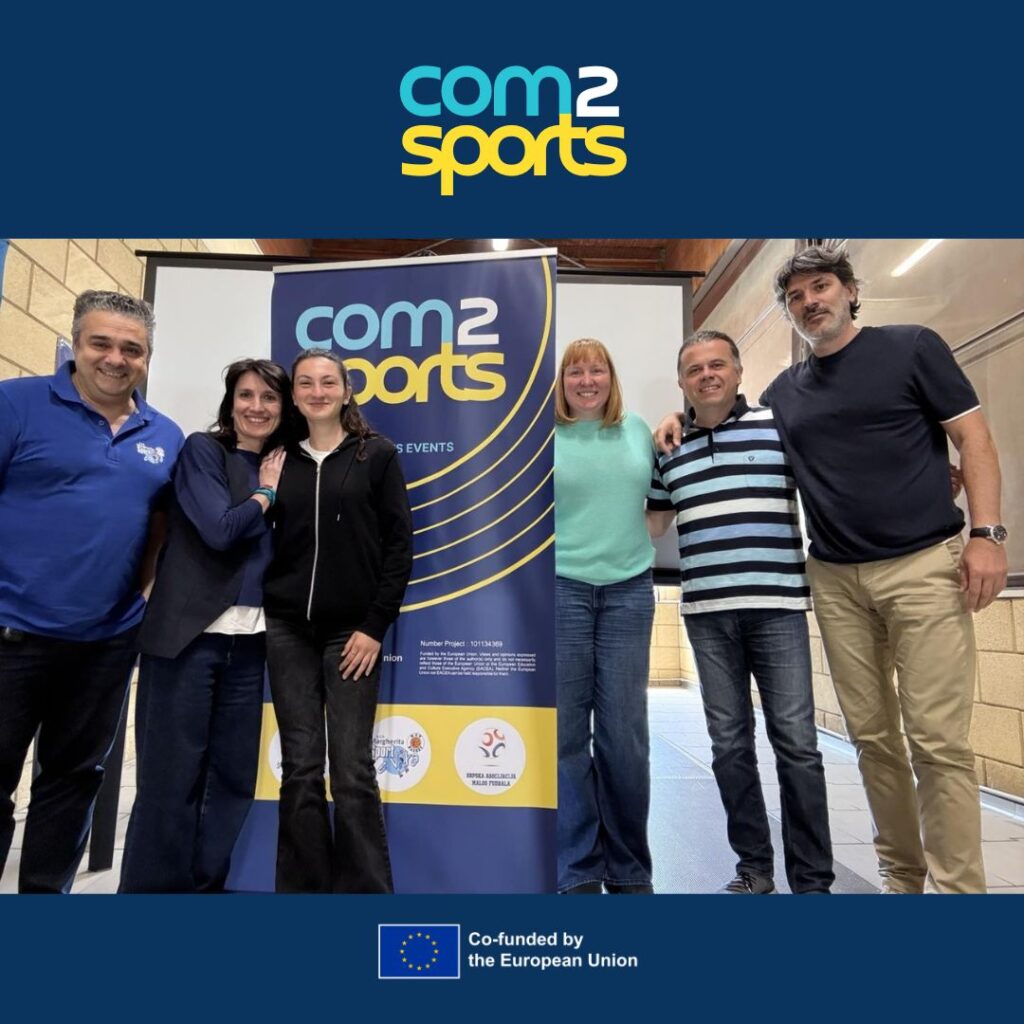
On Sunday, 25 May 2025, the picturesque Italian city of Bari welcomed international partners of the Erasmus+ project COM2SPORT – Company Sports Events for a full-day transnational meeting focused on the progress, sustainability, and final reporting of the project. The event took place at Palabalestrazzi (Palacarrassi), a centrally located sports venue just 10 minutes from the city center. The meeting brought together project stakeholders from three EU countries to discuss the key achievements and next steps in promoting physical activity within workplace settings. The agenda opened with a warm welcome and a strategic overview of the meeting’s objectives, followed by a progress recap covering the implementation of company sports initiatives in Italy, Slovenia, and Serbia.The mid-morning session focused on the dissemination efforts and the project’s long-term sustainability strategy. Partners shared successful communication approaches and discussed how to continue engaging workplaces in promoting active lifestyles beyond the project’s lifespan.After a networking lunch in Bari’s city center, the group reconvened to map out the preparation of the project’s final report. Practical planning, shared responsibilities, and key deliverables were outlined to ensure smooth and timely closure of the project activities.Although optional, many partners joined an early evening walking tour through Bari’s charming historic center—Bari Vecchia—where they explored iconic landmarks such as the Basilica of Saint Nicholas, the Norman-Swabian Castle, and the lively Piazza Mercantile. The day concluded with a shared dinner in one of the city’s traditional restaurants, offering an opportunity to strengthen informal connections and cultural exchange.The setting in Bari also served to highlight the region’s rich cultural and historical heritage, reinforcing the project’s message that sports and physical activity can—and should—be intertwined with everyday life and local identity. The COM2SPORT project, co-funded by the European Union, aims to improve health and well-being among employees by increasing their access to inclusive and engaging sports opportunities at the workplace. The meeting in Bari marked one of the final international gatherings before the official project wrap-up, underscoring both the achievements made and the momentum to carry forward.
Uncategorized

Cooperation with Local Sport Clubs is Essential

In a time when employee well-being, workplace culture, and talent retention are top priorities, companies are increasingly seeking new ways to promote health, connection, and engagement among their workforce. One powerful but often underused approach is to partner with local sport clubs. This collaboration offers a win–win solution: employees benefit from increased access to physical activity, and employers strengthen their workplace culture while supporting the local community.Physical inactivity is a growing public health concern across Europe. Long hours behind desks, high levels of stress, and lack of movement contribute to rising rates of chronic illness and mental health challenges. Local sport clubs are perfectly positioned to help address this. They provide structured, motivating, and inclusive opportunities for physical activity—ranging from recreational classes to team-based games and outdoor group activities. For employers, this means a ready-made partner with the expertise and infrastructure to deliver health-promoting experiences to their teams.Benefits for Employers:• Partnering with sport clubs brings several advantages for companies:• Tailored programs: Sport clubs can adapt sessions to different fitness levels, interests, and work schedules—making participation easier for all employees.• Stronger employee engagement: Organized sport activities build camaraderie, reduce stress, and improve morale.• Improved retention and attraction: Companies that invest in well-being are more attractive to top talent and retain employees longer.• Visible CSR and community impact: Supporting local clubs reflects social responsibility and strengthens local ties.• Reduced absenteeism and increased productivity: Active employees are healthier, more focused, and less likely to take sick leave. Workplace–club partnerships also bring value to local communities. By supporting club programs, companies help ensure the sustainability of grassroots sports, youth training, and inclusive physical activity opportunities for all generations. Moreover, shared use of local sport facilities reduces environmental impact, minimizes infrastructure costs, and encourages employees to be active where they live—fostering habits that go beyond the workplace.Cooperation can take many forms:• Joint organization of company sport events with local clubs• Offering subsidized club memberships to employees• Supporting club-led workplace fitness sessions• Engaging clubs in event delivery and volunteer coordination• Sponsorships, donations, or in-kind support to local clubs in return for tailored services In a landscape where health, culture, and corporate responsibility intersect, cooperating with local sport clubs is a smart and strategic move for employers. It supports employee well-being, fosters community connections, and contributes to a healthier and more productive society. Now is the time for businesses to see sport not just as an extracurricular activity, but as a core pillar of workplace well-being and organizational success.

Uncategorized

Worskshop for sport staff in Slovenia

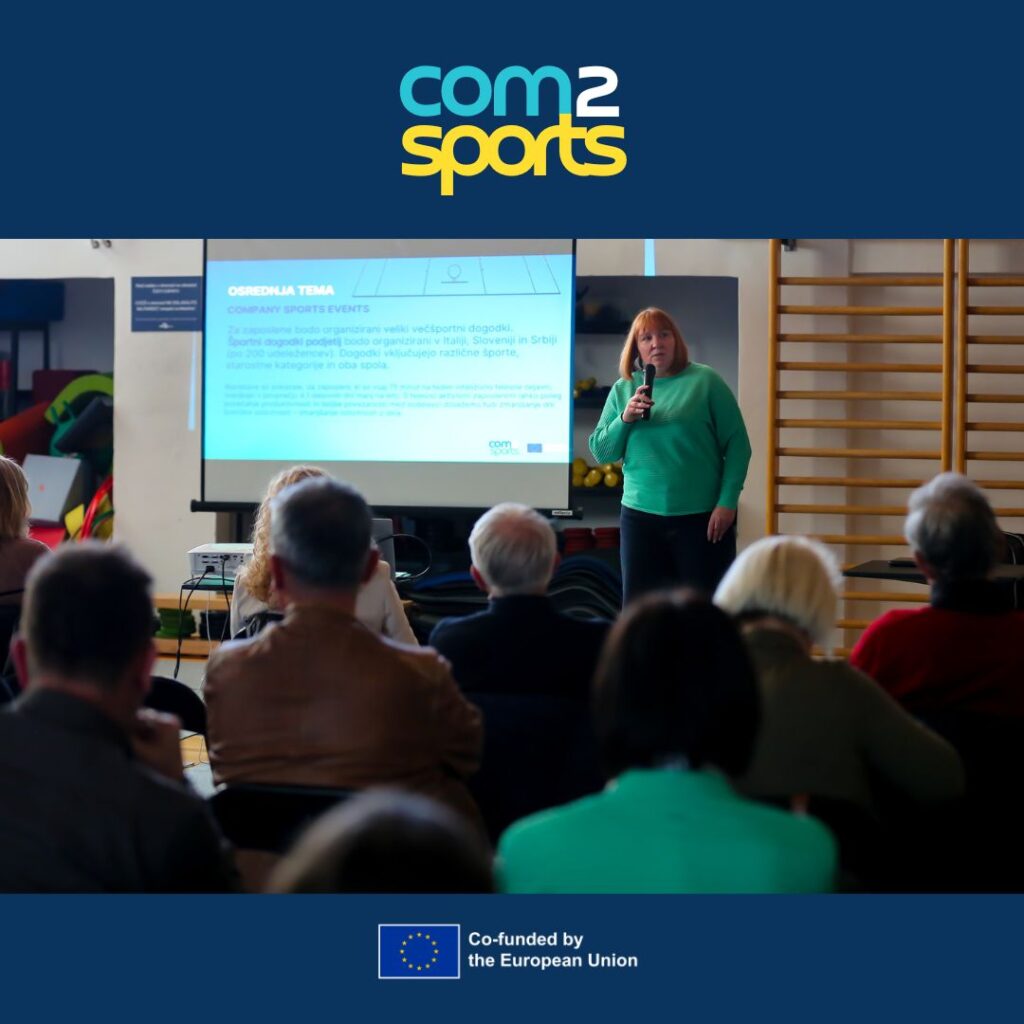
On Wednesday, March 20, 2025, the ŠUS Eurofitness sports hall in Ljubljana hosted an engaging and hands-on Com2Sports Workshop, bringing together sport staff, coaches, and volunteers from various organizations. The workshop was part of the international Erasmus+ project Com2Sports, which aims to strengthen the capacity of sport professionals, promote physical activity among employees, and develop sustainable strategies for organizing company sport events. Participants were introduced to the goals and tools of the Company Sports Events initiative, co-funded by the European Union. Research presented during the workshop highlighted the concrete benefits of regular physical activity at the workplace: employees who engage in at least 75 minutes of vigorous activity per week are, on average, absent from work 4.1 fewer days per year. In addition to increasing productivity and fostering stronger colleague relationships, physically active employees contribute to a significant reduction in sick leave. The workshop emphasized the importance of raising awareness among both employees and employers about the value of regular movement and supporting them in adopting active lifestyles. Multi-sport events were presented as a powerful motivational tool for workplace well-being—encouraging social interaction, team cohesion, and a positive organizational climate, while also contributing to lower absenteeism and enhanced overall health.Alongside the project presentation, the event featured a knowledge exchange session and interactive hackathon, where participants worked in teams to co-create ideas for company sport events in various industries. The session fostered creativity, collaboration, and the practical application of project resources—Desk Research, Learning Materials for Sport Staff, and the Com2Sports Event Manual.The workshop also served as a networking opportunity, enabling professionals from sport and health promotion fields to share experiences, challenges, and innovative practices. Project partners from Slovenia, Italy, and Serbia will continue hosting similar workshops in their respective countries, contributing to the project’s broader mission of embedding physical activity into workplace culture. For more information about the Com2Sports project and its open access resources, visit www.companysports.eu

Uncategorized

Com2Sports Event Manual now ready to use

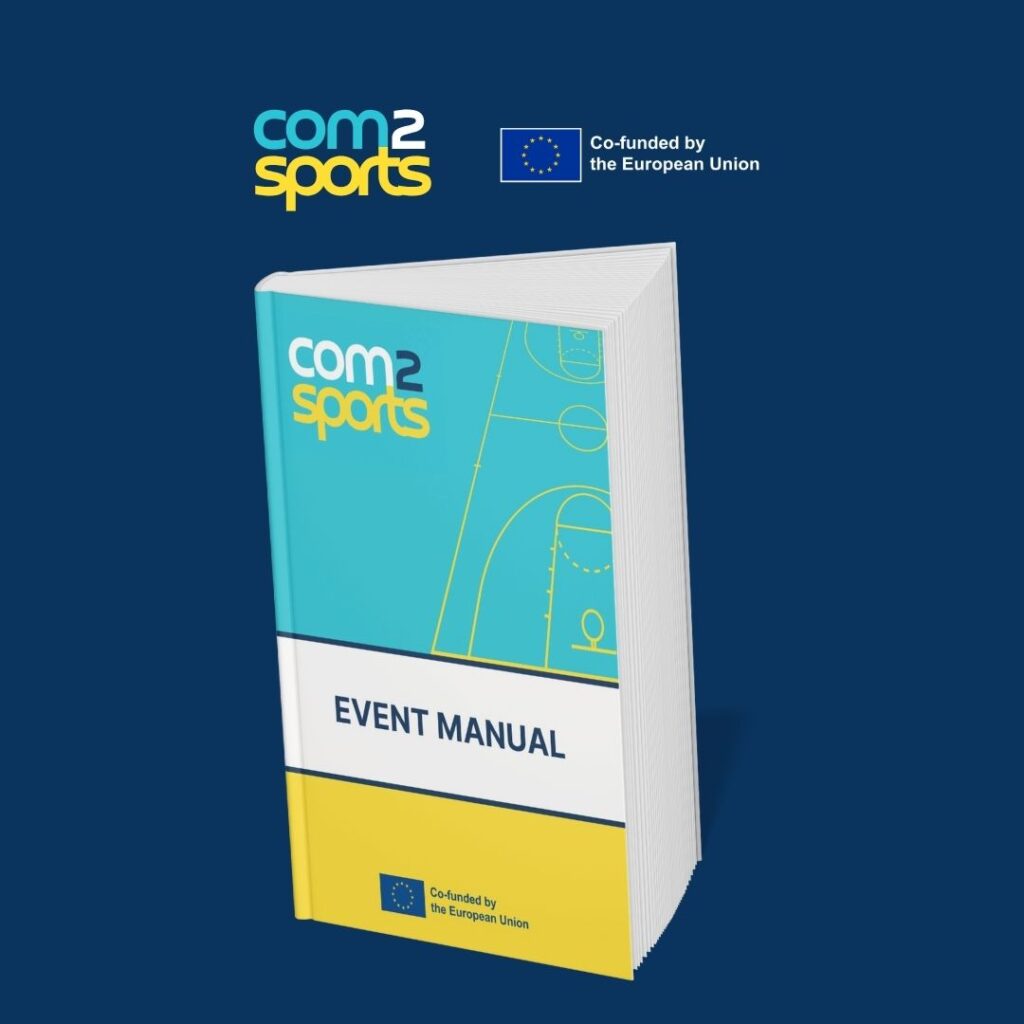
The COM2SPORTS project has reached another milestone with the official publication of the COM2SPORTS Event Manual, a comprehensive guide developed to support the planning and delivery of sport events for employees in workplace settings. Co-funded by the Erasmus+ Programme of the European Union, this practical manual offers a structured approach to organizing inclusive, sustainable, and health-promoting sport events in collaboration with companies. Created as a central outcome of the transnational partnership involving Slovenia, Italy, and Serbia, the manual is tailored for use by sport staff, event organizers, club representatives, and other professionals working to bring physical activity into the corporate environment. Key features of the manual include:• A step-by-step event planning checklist• Guidance on venue preparation, safety, and logistics• Recommendations for inclusive event design and accessibility• Strategies for promoting health, sustainability, and fair play• Tools for volunteer coordination, communication, and post-event evaluation• Templates and practical tips for working with company HR teamsThe manual builds on the insights gathered through COM2SPORTS desk research, national pilot activities, and stakeholder consultations. It aims to strengthen the capacity of local sports organizations and clubs to deliver impactful events that improve employee well-being and foster a more active workplace culture.This manual reflects the combined knowledge and experience of our partnership. It is a resource that makes organizing workplace sport events easier, more professional, and more inclusive. We hope it will inspire and empower sport staff to take the lead in building healthier and more connected workplaces. The COM2SPORTS Event Manual is now available for free download on the official project website: www.companysports.eu

Uncategorized

Learning materials available for sport staff

As part of its mission to promote physical activity and well-being in workplace settings, the COM2SPORTS project proudly announces the publication of its new Learning Materials for sport staff and organizers of company sport events. This resource, developed with support from the Erasmus+ Programme of the European Union, aims to build the capacity of sport professionals and volunteers to collaborate effectively with companies in delivering inclusive and engaging sport activities for employees.The learning materials provide a structured and practical guide for sport staff interested in planning, organizing, and evaluating company sport events. They cover essential topics such as:• Designing inclusive multi-sport events tailored to different employee groups• Planning logistics and managing risk in corporate settings• Communicating with companies and engaging stakeholders• Integrating sustainable and health-promoting practices into event delivery• Encouraging participation, especially among inactive and underrepresented employee groupsThese resources are designed to empower sport staff with the tools and confidence to work hand-in-hand with employers. By enhancing their ability to deliver meaningful sport experiences in workplaces, we’re supporting healthier, more active lifestyles across Europe.The learning materials draw on findings from the project’s transnational desk research, real-world best practices from Slovenia, Italy, and Serbia, and input from experienced organizers and sport facilitators. They are intended for use in the COM2SPORTS training workshops but are also freely available for download and independent learning. This publication marks a critical step toward building sustainable models of cooperation between sport organizations and employers, contributing to EU-wide objectives for physical activity promotion, workplace health, and social well-being. The full Learning Materials document is available on the official project website: www.companysports.eu

Uncategorized

Transnational meeting in Belgrade

Partners of the Erasmus+ funded COM2SPORTS project convened in Belgrade for a two-day transnational meeting hosted by the Serbian Association of Mini Football (SAMF). The meeting, held from 26–27 November 2024, marked a pivotal moment in the development of the project’s key intellectual outputs and the preparation of national pilot actions. The central focus of the gathering was the finalization of the COM2SPORTS Event Manual—a practical guide for organizing inclusive, sustainable, and engaging sports events for employees. The manual aims to build the capacity of sport staff and volunteers across Europe, helping them collaborate effectively with companies in delivering physical activity initiatives in the workplace. Throughout the sessions, project partners from Slovenia, Italy, and Serbia collaboratively reviewed and refined the manual. Emphasis was placed on real-life implementation, logistics, volunteer coordination, inclusivity, and multimedia integration to enhance user engagement. The team also agreed on a strategy to incorporate short educational videos, with expert contributions on green event management, venue selection, recruitment, and promoting active lifestyles.Day two highlighted the planning of pilot workshops and multi-sport events to be delivered in spring 2025. These national events will serve as a testing ground for the Event Manual and aim to directly engage over 600 employees and 90 sport staff and volunteers. The meeting concluded with clear action points and deadlines: partners committed to submitting their final contributions to the manual by the end of December 2024, and preparing for the next transnational meeting scheduled in Bari, Italy, in May 2025. This meeting reaffirmed the shared commitment of COM2SPORTS partners to promote health-enhancing physical activity in the workplace and to make company sport events a standard element of organizational culture across Europe. The COM2SPORTS project continues to support EU strategies for healthier, more active societies by empowering sport staff and creating inclusive, evidence-based frameworks for company sports events.

Uncategorized

Why Employers Should Invest in Promoting Physical Activity

In today’s fast-paced and increasingly sedentary work environments, the physical and mental well-being of employees is more important than ever. Employers across Europe are recognizing that investing in physical activity is not just a wellness initiative—it’s a strategic decision that benefits both the workforce and the organization. Office-based roles and digital workflows have led to longer periods of inactivity, contributing to growing health risks such as cardiovascular disease, obesity, diabetes, and musculoskeletal disorders. At the same time, stress, anxiety, and burnout are rising in many industries. These factors don’t just affect individuals—they have measurable consequences for businesses in the form of absenteeism, reduced productivity, and increased healthcare costs. Research shows that even moderate physical activity—75 to 150 minutes per week—can significantly reduce the risk of chronic illness and mental health issues. For employers, promoting active lifestyles is a cost-effective way to boost workforce resilience, satisfaction, and performance. Investing in workplace physical activity leads to:• Improved productivity: Physically active employees tend to have higher energy levels, better focus, and more consistent performance.• Reduced absenteeism: Studies show that active employees take significantly fewer sick days each year.• Stronger team cohesion: Group physical activities enhance communication, trust, and morale among colleagues.• Higher employee retention: A culture that values well-being increases job satisfaction and loyalty.• Positive employer branding: Offering wellness programs signals a modern, caring, and socially responsible company image. According to the World Health Organization (WHO), every €1 invested in physical activity can return up to €4 in health savings and productivity gains. Programs don’t need to be complex—simple actions like organizing walking meetings, offering flexible fitness breaks, or supporting access to nearby sport facilities can make a significant impact.Employers play a critical role in shaping workplace culture. When leadership champions movement—not just through policies but through visible participation—it encourages employees to follow suit. Activities such as workplace sport events, step challenges, or yoga breaks become more than perks—they become part of the organizational identity. Initiatives like the Com2Sports project, co-funded by the Erasmus+ Programme, show how sport organizations and employers can collaborate to create high-quality, inclusive sport events for employees. Through toolkits, manuals, and training materials, Com2Sports equips sport staff to work directly with companies in building active and healthy workplaces. Promoting physical activity is no longer optional—it’s a modern imperative for employers who want to maintain a productive, resilient, and engaged workforce. With clear health, social, and economic benefits, integrating sport and movement into the workday is a powerful step toward a more sustainable and successful future of work.

Uncategorized

Desk Research Report published

The COM2SPORTS project, co-funded by the Erasmus+ Programme of the European Union, proudly announces the release of its comprehensive desk research report exploring the current state, best practices, and future potential of company sport events in Europe.The publication provides in-depth insights into how workplaces across Italy, Slovenia, and Serbia are integrating sport and physical activity into their corporate culture. It also presents practical recommendations for sports organizations and employers aiming to create more inclusive, engaging, and sustainable workplace wellness strategies through sport. The research highlights a range of existing initiatives, from sector-wide competitions and national multi-sport festivals to grassroots activities organized by small and medium-sized enterprises. It identifies the added value of such events in boosting employee well-being, strengthening social ties within the workplace, and reducing sedentary lifestyles – a growing concern across the EU. Importantly, the report also addresses the role of sport staff and volunteers in successfully delivering company sport events. It outlines key capacity-building needs and calls for stronger collaboration between sport clubs and employers.The report serves as a cornerstone for the next phases of the project, which include the delivery of training workshops for sport staff and the implementation of multi-company sport events across the partner countries. It also supports broader EU goals related to physical activity promotion, workplace health, and social inclusion. The full desk research report is available for download on the project website: www.companysports.eu

Uncategorized

Why this project?

The COM2SPORTS project was initiated in response to growing public health concerns related to sedentary lifestyles, physical inactivity, and their impact on workers’ well-being and productivity. Funded under the Erasmus+ Sport programme, COM2SPORTS brings together partners from Italy, Slovenia, and Serbia to promote sport and physical activity in workplace settings through the organization of inclusive, multisport events and structured collaboration between sport clubs and companies.Modern work environments—often dominated by desk-based roles, long hours, and high levels of stress—have contributed to rising rates of chronic diseases such as cardiovascular conditions, obesity, diabetes, and mental health issues. In this context, workplaces represent both a challenge and an opportunity: while they may contribute to sedentary habits, they also offer a powerful platform to reach adults with health-enhancing physical activity (HEPA) initiatives. COM2SPORTS therefore takes a dual approach. On one hand, it promotes large-scale company sport events to engage employees in fun, inclusive physical activity. On the other, it builds the capacity of sport staff and volunteers to work with employers in developing and delivering physical activity opportunities that are tailored to workplace needs and structures. The project aims to create scalable models of corporate sport collaboration that can be adopted across Europe. Benefits of Physical ActivityThe scientific evidence supporting the benefits of physical activity is unequivocal. Regular participation in moderate to vigorous physical activity leads to:• Reduced risk of non-communicable diseases (NCDs) such as heart disease, type 2 diabetes, and certain cancers.• Improved mental health, including lower levels of stress, anxiety, and depression.• Enhanced cognitive function, better concentration, and improved memory.• Stronger musculoskeletal health, posture, and mobility.• Increased energy levels and reduced fatigue.• Improved immune system functioning and better quality of life.Furthermore, physical activity is a key determinant of healthy ageing and disease prevention, with long-term benefits for individuals, families, and healthcare systems. Why Employers Should Promote Physical ActivityEmployers are uniquely positioned to act as facilitators of healthier lifestyles. By promoting physical activity through workplace initiatives, they can gain multiple organizational advantages, including:• Reduced absenteeism and presenteeism: Physically active employees are less likely to take sick leave and more likely to be fully productive while at work.• Higher employee morale and job satisfaction: Sport activities and events foster a sense of belonging, shared purpose, and social connection among staff.• Improved recruitment and retention: Health-conscious workplaces are more attractive to skilled job seekers and help retain top talent.• Enhanced team cohesion and communication: Group-based activities, such as company sport events, naturally build trust and collaboration between colleagues.• Lower healthcare costs: Preventive health strategies reduce the long-term burden of medical expenses related to chronic conditions.• Alignment with CSR and ESG goals: Promoting health, inclusion, and sustainability through sport reflects positively on a company’s social responsibility and sustainability commitments. In the COM2SPORTS project, companies are not only participants in events but strategic partners in a cultural shift—embedding physical activity into workplace routines and corporate values. The project serves as a catalyst to inspire organizations to make physical activity a cornerstone of employee well-being and organizational excellence.

Uncategorized

First Transnational Meeting in Ljubljana

Com2Sports partners gathered in Ljubljana, Slovenia on March 28–29, 2024, for the first transnational meeting of the COM2SPORTS project, a collaborative Erasmus+ Sport initiative aimed at promoting physical activity through company sport events. Hosted by the Sports Union of Slovenia, the two-day event brought together representatives from Slovenia, Italy, and Serbia to align the project vision, exchange best practices, and plan the implementation of pilot activities in workplace settings. The COM2SPORTS project seeks to build healthier and more inclusive workplaces by empowering sport staff and organizations to develop engaging, multisport events in collaboration with employers.The meeting opened with a warm welcome by project coordinator Mojca Markovič, who emphasized the importance of cross-sector collaboration and the opportunity to position the workplace as a key setting for promoting health-enhancing physical activity. Participants reviewed the project’s objectives, which include the creation of an Event Manual, the delivery of national staff training workshops, and the organization of inclusive sport events for employees.One of the key highlights of the meeting was the exchange of national best practices and the development of a shared structure for the upcoming COM2SPORTS Event Manual. Partners contributed insights from their local contexts and outlined strategies to ensure wide participation across different employee groups and sectors.The meeting also focused on planning the next phases of implementation, including the delivery of workshops for sport staff and volunteers, as well as the pilot company sport events in each country, expected to engage over 200 employees per location. The upcoming meetings were scheduled for Belgrade (November 2024) and Bari, Italy (May/June 2025). Beyond the working sessions, the meeting also featured a cultural program, offering space for informal exchange and building stronger transnational relationships among the project partners. As the project moves forward, COM2SPORTS is poised to become a model for promoting employee well-being, reducing sedentary behavior, and building a culture of physical activity at the European workplace.

Scroll to Top